



Preparation Bones & Joints:
Follow your joy and curiosity - prepare your Anatomy:
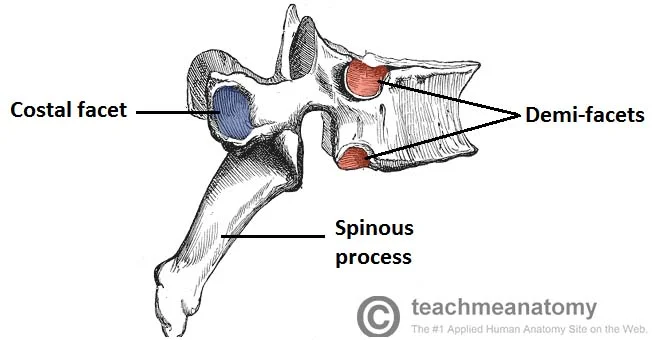
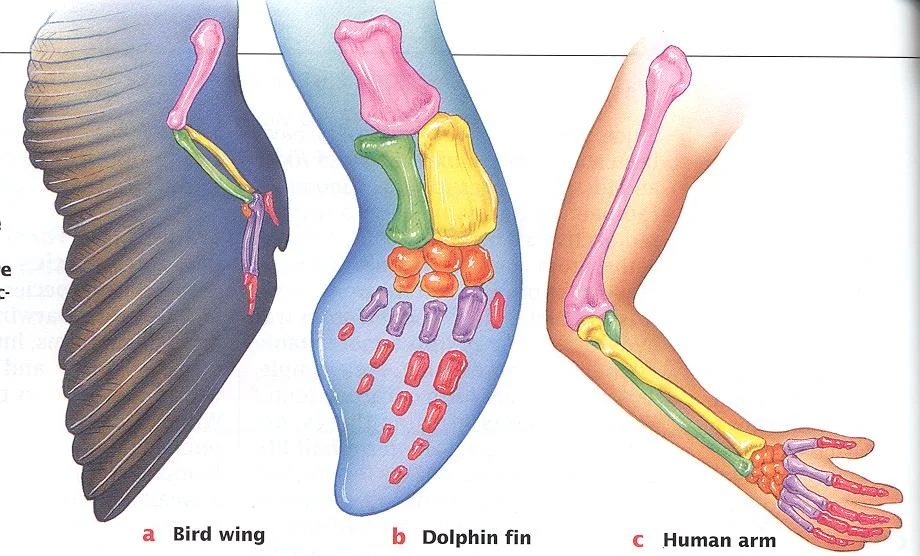
Watch these youtube videos covering the bones of the clavicle, scapula shoulder, arms and elbow, forearm , then pelvis, hip joint and knee. Here is the BONE playlist 9which includes other interesting videos) Pick your own videos/ watch them while you clean - and of course you can watch them AFTER the module to deepen your Embodied knowledge. Tensegrity Model of spine
Color in the sections covering these bones and joints in the Anatomy Coloring Book:
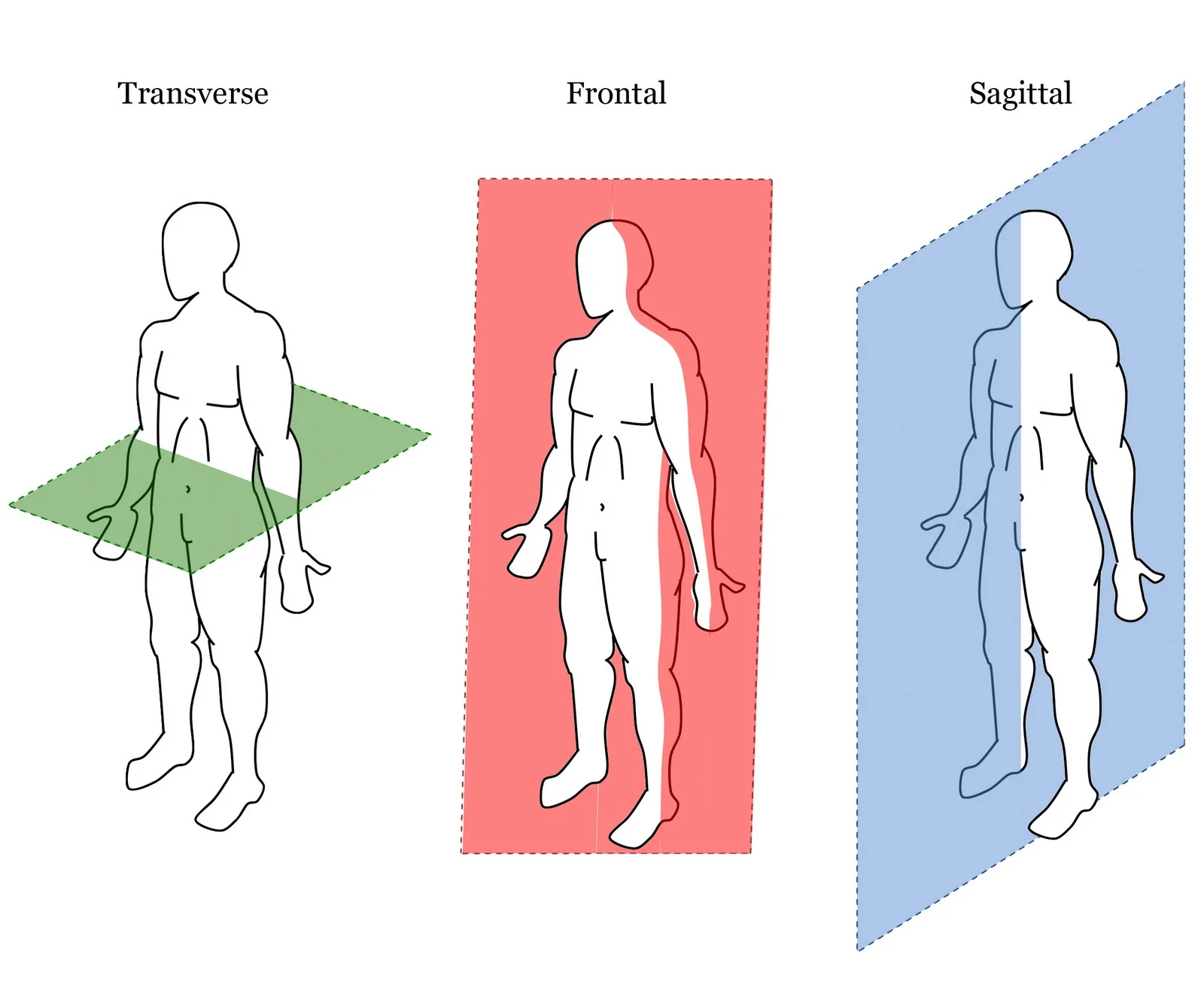
pages 1 & 2 - spatial planes; page 10 - on bone tissue; Pages 17, 20-23, 25-27, 29-32, 35, and 37-39
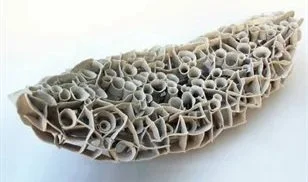
*Note* - No need to color in the ligaments, often shown on the bottom of the page!Create a REAL or IMAGINARY Joint out of a material of your choice - paper, fabric, stone, clay, pudding, etc. Bring this model to the module- we will share.
Explore your bones - either in dance or in a regular practice you do: dishwashing, yoga, washing a baby, hiking, biking, etc.
Stay connected with your folks!
Whatsapp group is there for you!
through all this - follow your curiosity, make your own way, add in things that interest you...
Previous Module wrap-up Requirements:
Investigate last module’s theme: Pre-Spinal & Embryology , take any one piece of information and play with it further: dance, teach, have a conversation, watch children move- Make a record of this: Photos, notes, video, comments, drawings, audio of your voice, etc.
Share this experience with one of your colleagues, CALL THEM or VIDEO MEET.Take additional notes, send or bring the report to Somatic Body Faculty or post some part of it on the group whatsApp.
Coming up Requierments
Partnering Lab: You will spend ONE hour receiving as well as ONE hour offering attention and support or investigation of your ideas on SPINE or Spinal Pattern with a colleague: This may be a bodywork session, a movement exploration with may include verbal or artistic expression.
Required Books:
Anatomy Coloring Book, Wynn Kapit, Lawrence M Elson, PH.D, 2013 ed.
Atlas of the Human Body, Frank Netter, 2006 ed. or later
Your favorite Anatomy Kinesiology reference
Enjoy!!
This is the journey of leaving the ocean and moving onto land, leaving the pre-spinal pattern behind and growing our cartilage into bones! The support provided through the bones and joints against gravity allows for easeful movement in space.
Students will examine the actions at the joints and how this is integrated across the body, including how the mind is supported in perceiving clarity and structure in space. The bones and joints provide the basis for the structural repatterning techniques that will be taught throughout the program, adding in ligaments, muscles, and organs along the way.
Learning from bones has applications in everyday life. Bones harbor and protect the creation of blood in the marrow, and it is possible to embody this depth. Movement in relationship to gravity incites bone growth, and this module offers a learning about the aliveness and ability to rebuild and reform in bone tissue. Redefining the resilience of bone tissue, students and clients can experience this sense of resilience for themselves.
Highly recommended:
Trail Guide to the Body and Workbook, Andrew Biel
Anatomy of Movement, Blandine Calais-Germain
Principles of Anatomy and Physiology, Tortora, 2011 is fine
Sensing Feeling and Action, Bonnie Bainbridge Cohen, 2012, 3rd ed. - purchase from Contact Quarterly (has many changes to first edition)
Playlist for Bones, Joints