REFLEXES
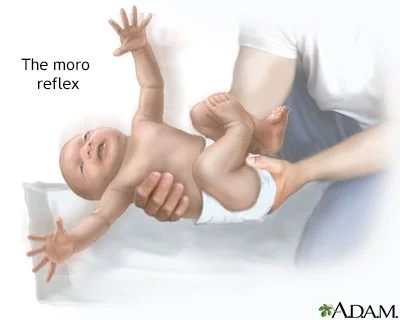
Underneath ALL successful, effortless movements are integrated reflexes, righting reactions, and equilibrium responses (RRR). The RRR are the fundamental elements, the alphabet, of our movement. They develop in response to the interaction of our internal state of being with gravity, space, and ‘other’ (people, objects and nature).
Reflexes are the most primitive patterns that occur in response to specific stimuli and establish basic survival functions. The righting reactions are important in establishing a vertical or upright posture against gravity and a continuous head-torso axis. The equilibrium responses are patterns which maintain balance of the whole body in the dynamic relationship between the shifting of one's centre of gravity through space and one's base of support.
Bonnie Bainbridge-Cohen
Reflexes, Movement Integration and Repatterning:
The reflexes arise in overlapping sequences and trigger movement coordination that follows a sequence of expression in the first years of life. They build crucial building blocks for the
developmental patterns to emerge and guide interactions with the world. It guides the body's coordination and effectiveness.
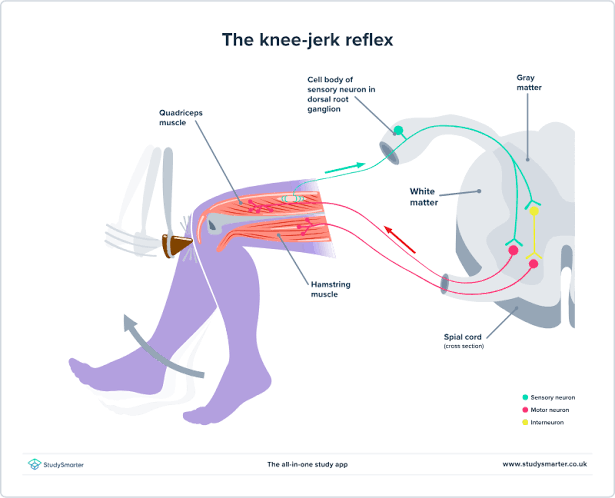
Having a movement begin with a reflex arc means that there is a clear initiation and effortless
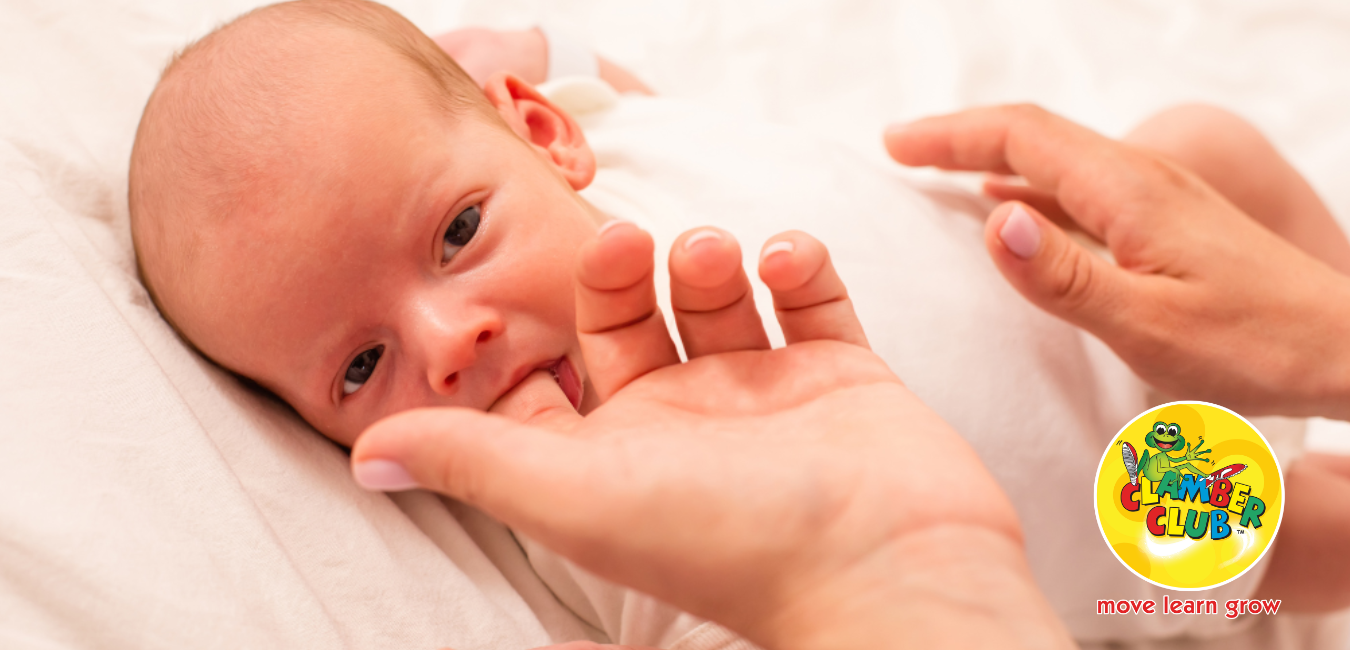
follow-through - these reflexes are then integrated into the baby's movement repertoire. If they are not integrated, then the child has not choice but to execute a specific coordination - each reflex also has a balancing reflex that releases the first: say bringing thumb to mouth - it is important to be able to release the hand.
It is also noticeable if a reflex has not been able to be expressed: one would assume a weakness or confusion in the next reflexes. As Somatic Movement Practitioners, we can offer the re-experiencing and integration of these building blocks, or we can balance the flexor side with the extensor side/ left to right imbalances.
Many reflexes initiate on either the flexor or extensor side of a joint - indeed, with this knowledge one can assume that there are multiple opportunities at all joints to initiate.
Remind yourself of the PLANES of Movement
Look at the reflexes that support action in the 3 planes
Horizontal plane: EXPLORATION, rotation, turning
Vertical plane: EVALUATION, lateral flexion and extension
Sagittal Plane: MOVE through space, also flexion/ extension
The reflexes build on each other in time
Primitive Reflexes - first 4 months
Righting reactions - birth to 5 years
Equilibrium responses - require at least sitting if not standing ability
Primitive Reflexes:
These build TONE: overall tone, organ tone, bone, muscle, ligament, nervous system
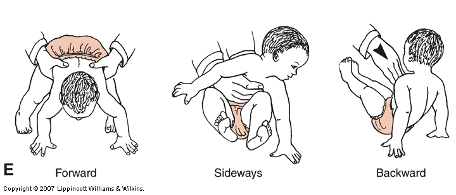
Activate physiological flexion and extension ( first full body, then differentiated)
Righting reactions
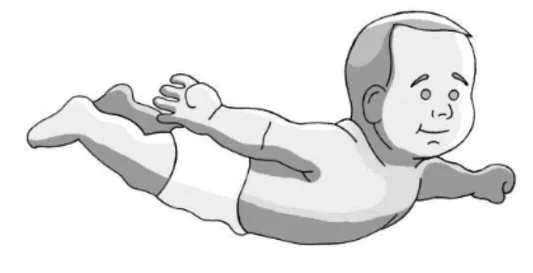
Lift head away from gravity first prone and sidelying, back-lying starts after 5 months to 5y.
These reflexes orient the sense organs in space by aligning the head in the vertical axis
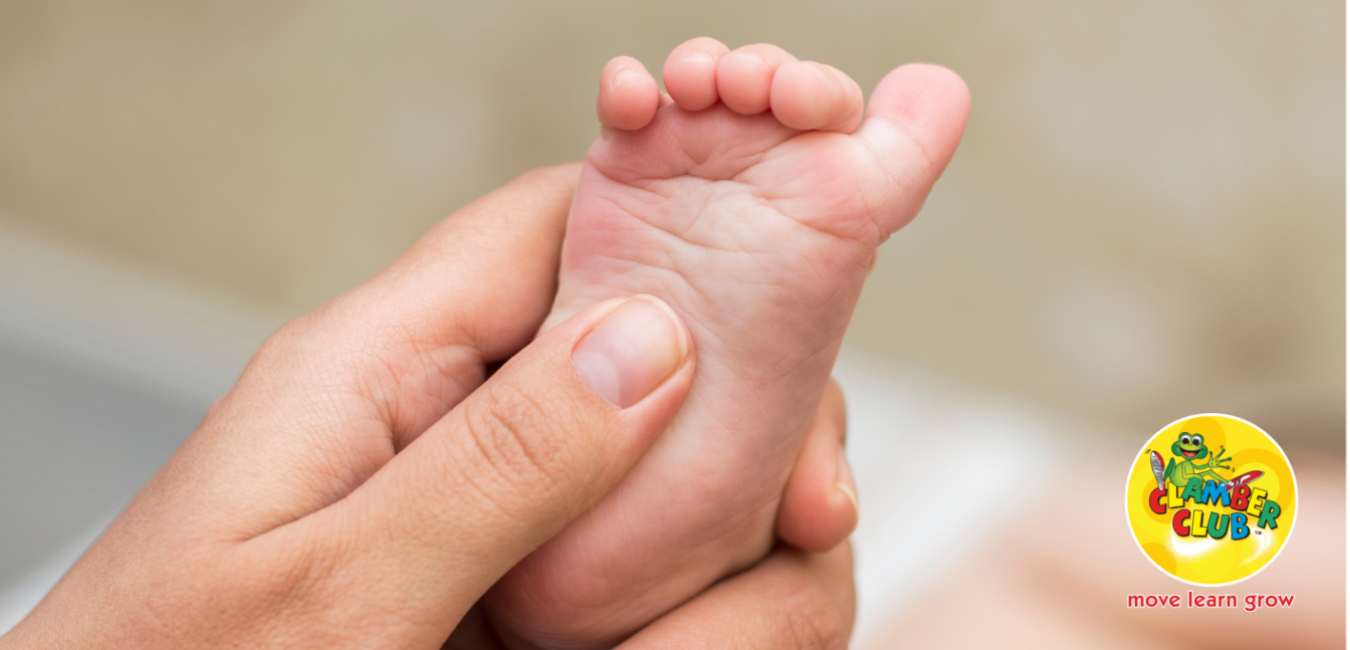
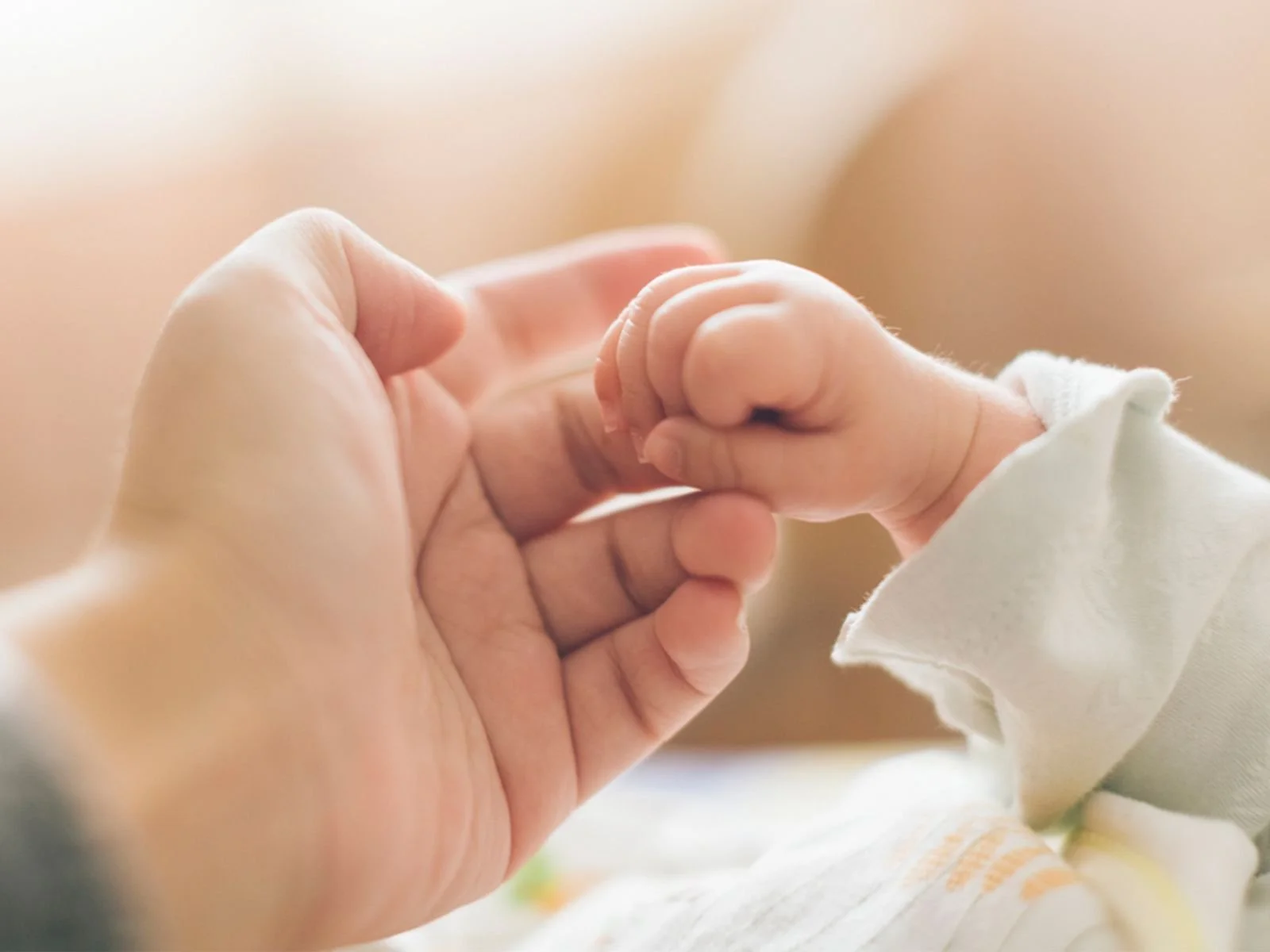
Reflexes of grasp/ release
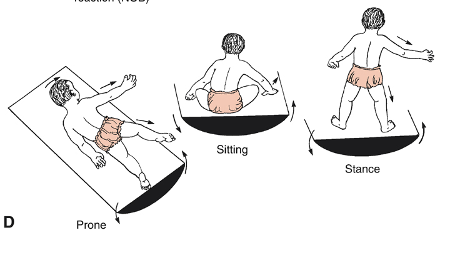
Equilibrium responses:
Spatial responses to being off balance
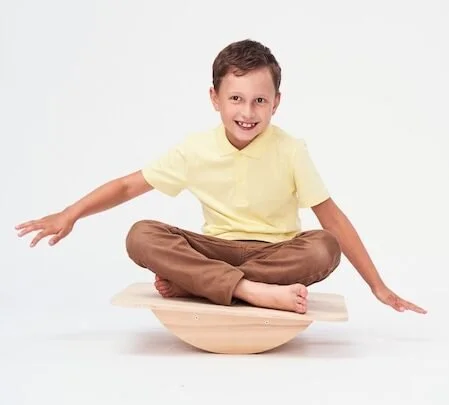
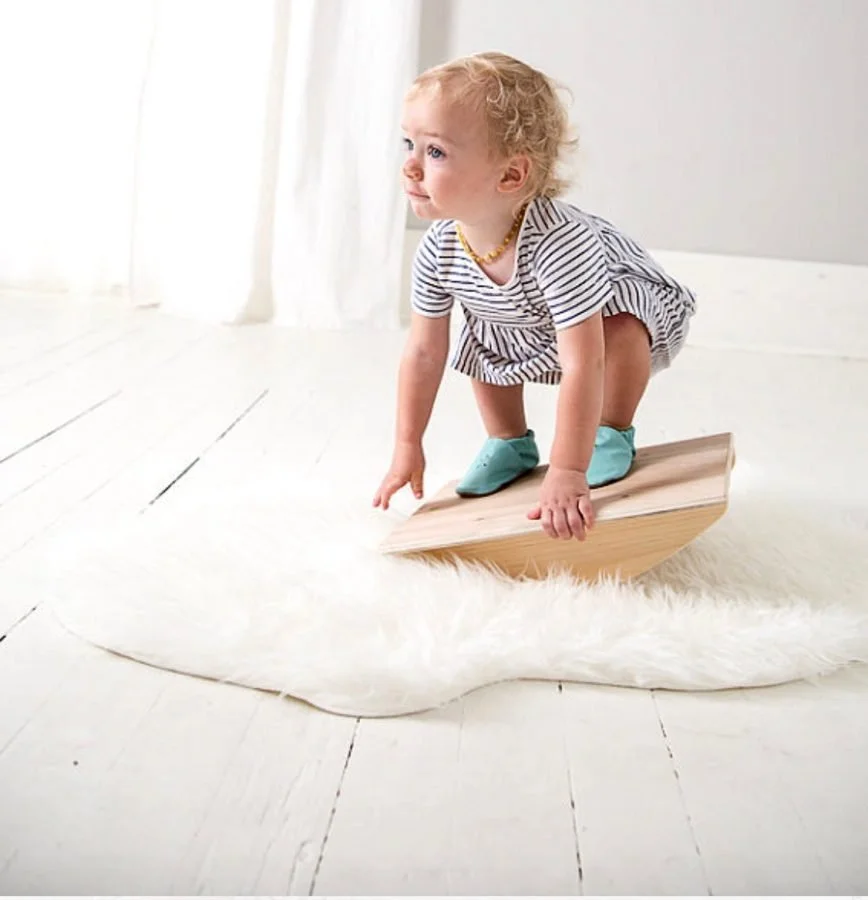
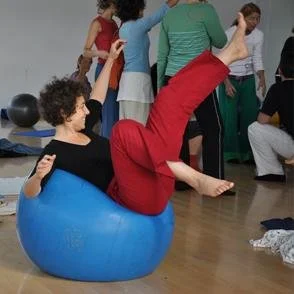
Whole body responds with muscle tone shifts and counter-balance of limb movements when a surface or base moves.
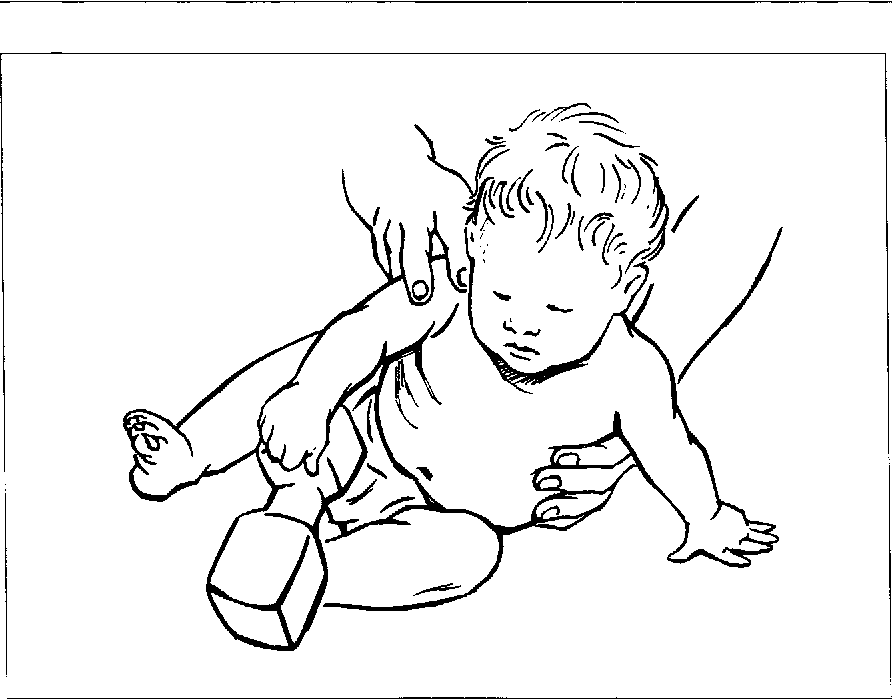
Protective reactions: Reaching out an arm/leg to catch a fall to recover balance.
Principles
1. Set up your space: Is the child prone/ supine/ sitting/ standing?
2. Is it gravity related, space related, or sensory related?
3. Where is the initiation? What side of the joint?
4. What to expect in terms of follow-through?
5. Which reflex must release for movement to be free?
6. Which plane are you dealing with?
7. Which action or developmental pattern?
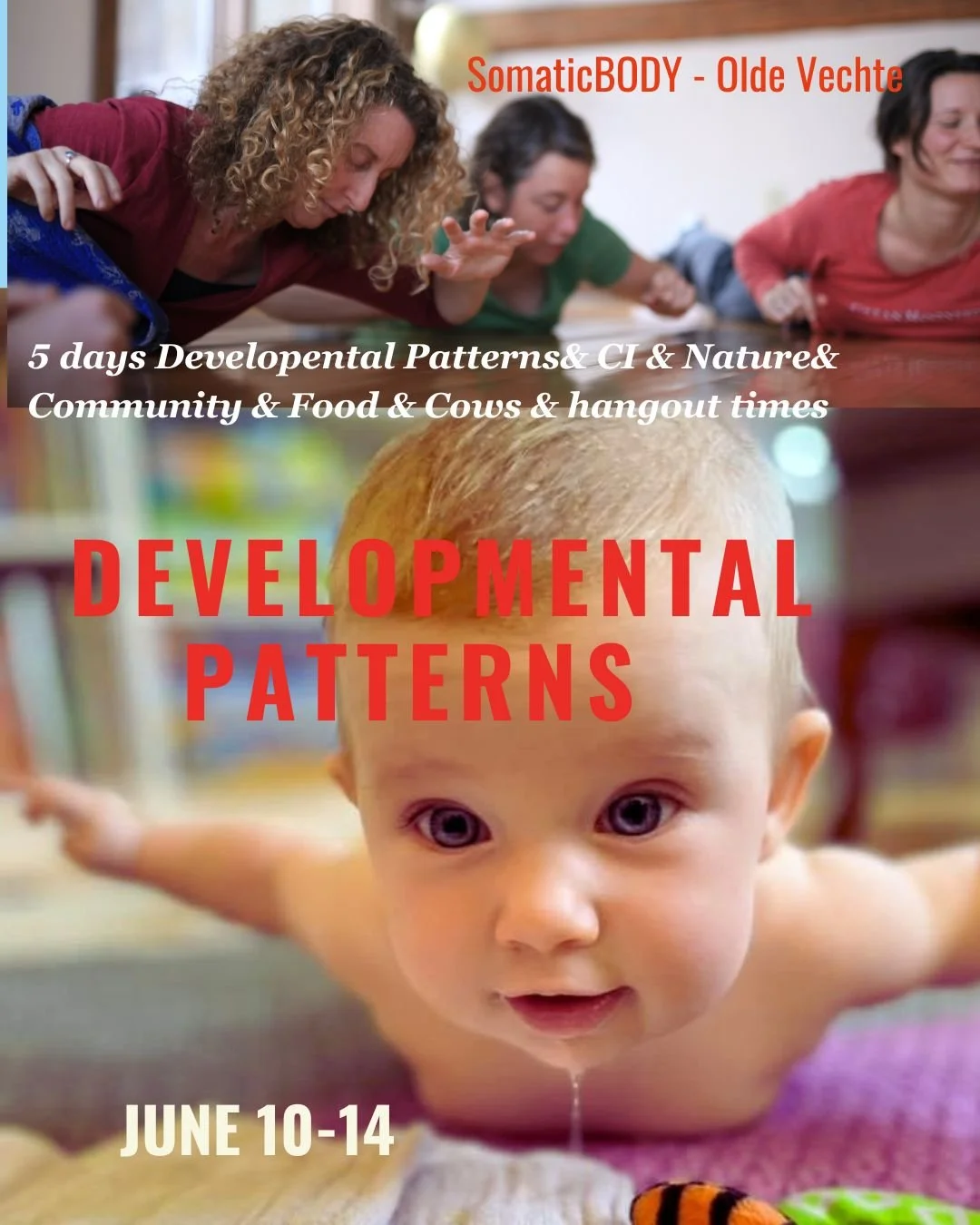
ALL IN ONE
Homework and Preparation
for Reflexes, CSF, Lymph, Giving Bodywork Sessions
Prepare your Anatomy:
READ: Study Guide for the Reflexes, Manual for Embodiment, Mark Chandlee Taylor
WATCH: Go to Reflexes Youtube List
READ: Article on how to learn to sit, Balancing Reflexes: Hand to Mouth,
Review and color the coloring book pages: any that you still have not colored in , that were required
PREPARE a 20- 30 min class that combines an aspect of the Neuro Glial System or Vocalization with another body system
Research Partners - use a partner to discuss your thoughts, questions or concerns on preparing
Explore in movement: Naval Radiation, Embryological Flexion and Extension
Stay connected with your folks!
through all this - follow your curiosity, make your own way, add in things that interest you........
Giving Somatic sessions
Systems Approach:
Notice which systems are involved in the situation, which are missing, over-used, well expressed, a good support for this person.
You can approach any system through
Exploration
Clarification
Education
Healing
Repattening
Detoxing
De-stressing
Inspiration
Guiding Questions
How does this tissue pattern contribute to a larger pattern - like a developmental pattern, alignment, circulation of fluids, tone?
What support does the system need?
Are Cells alive? Do they know themself? Are they numb, asleep, irritated, in pain?
What other system needs to be in place to provide a foundation for this system to reintegrate?
What developmental pattern is prevented from expressing itself?
Which underlying developmental pattern can be useful?
SomaticBODY Tools - choose
Bodywork
Movement repatterning
Conversation
Somatization
Education
Dance
Somatic Meditation
Artistic expression
Performance